
Many sellers mistakenly believe their primary challenge is the real estate market itself. They might point to interest rates, general buyer hesitation, or prevailing headlines as the main obstacles. While these factors do play a role, they don’t tell the whole story. For numerous sellers today, the bigger hurdle is much simpler: buyers are exercising greater caution, becoming more selective, and are less inclined to overlook pricing errors or necessary repairs left by the previous owner. In today’s San Diego market, sellers aren’t competing with last year’s frenzy or their own optimistic price expectations. Instead, they’re directly competing with buyer caution.
This means sellers are competing with every other comparable home a buyer can view online, the significant monthly payment a buyer is already nervous about, and the immediate feeling a buyer gets upon entering a home – does it feel easy to own or financially demanding? The numbers support this shift. For instance, the National Association of Realtors reported that existing-home sales in May 2026 reached a 4.17 million annual pace, with inventory climbing to a 4.5-month supply. Pending home sales also saw an increase in May, indicating buyer activity remains present. However, sellers now operate in a market offering more choices and opportunities for comparison than during the extremely tight years. Homes are still selling, but the urgency that once propelled them across the finish line has diminished. (Source: NAR Existing-Home Sales, June 2026; NAR Pending Home Sales, June 2026)
Competing with Buyer Caution: Understanding the New Landscape

This is where many sellers misstep. They assume increased inventory only affects the market broadly, but its impact is intensely felt at the individual listing level. A buyer evaluating your property isn’t consulting a national chart; they’re comparing it to other homes available for purchase this week. If your home appears overpriced, less appealing, darker, more cluttered, or requires more work than alternatives, buyers often don’t engage in negotiation. They simply move on to the next listing.
That’s the real risk. Pricing has become less forgiving. Altos Research data consistently shows that with normalized inventory levels compared to the ultra-low-supply period, buyers have more options and less pressure to overlook a listing that seems out of sync. (Altos Research Market Reports)
This doesn’t mean sellers should underprice their homes. It means shifting from optimism-driven pricing to a strategic approach. A home accurately priced in this more selective market can generate significant momentum. Conversely, an overpriced home often squanders its initial attention window, training buyers to anticipate a price reduction. Once this dynamic begins, buyer conversations shift from interest to scrutiny, asking what might be wrong with the house.
Condition is equally critical. Cotality’s June 2026 analysis highlighted how higher mortgage rates impacted market affordability. For sellers, this translates to increased buyer sensitivity towards visible work needed. When the monthly payment is already a concern, buyers are less tolerant of a home requiring immediate paint, flooring, fixture updates, or extensive cosmetic repairs. (Cotality Home Price Insights, June 2026)
Consequently, the best-performing homes right now aren’t necessarily those with the largest renovation budgets. They are often the homes that offer the easiest transition for buyers: clean, bright, well-maintained, clearly priced, easy to understand, and simple to envision living in without immediately calculating additional expenses.
What Buyers Respond To: Simplicity and Appeal
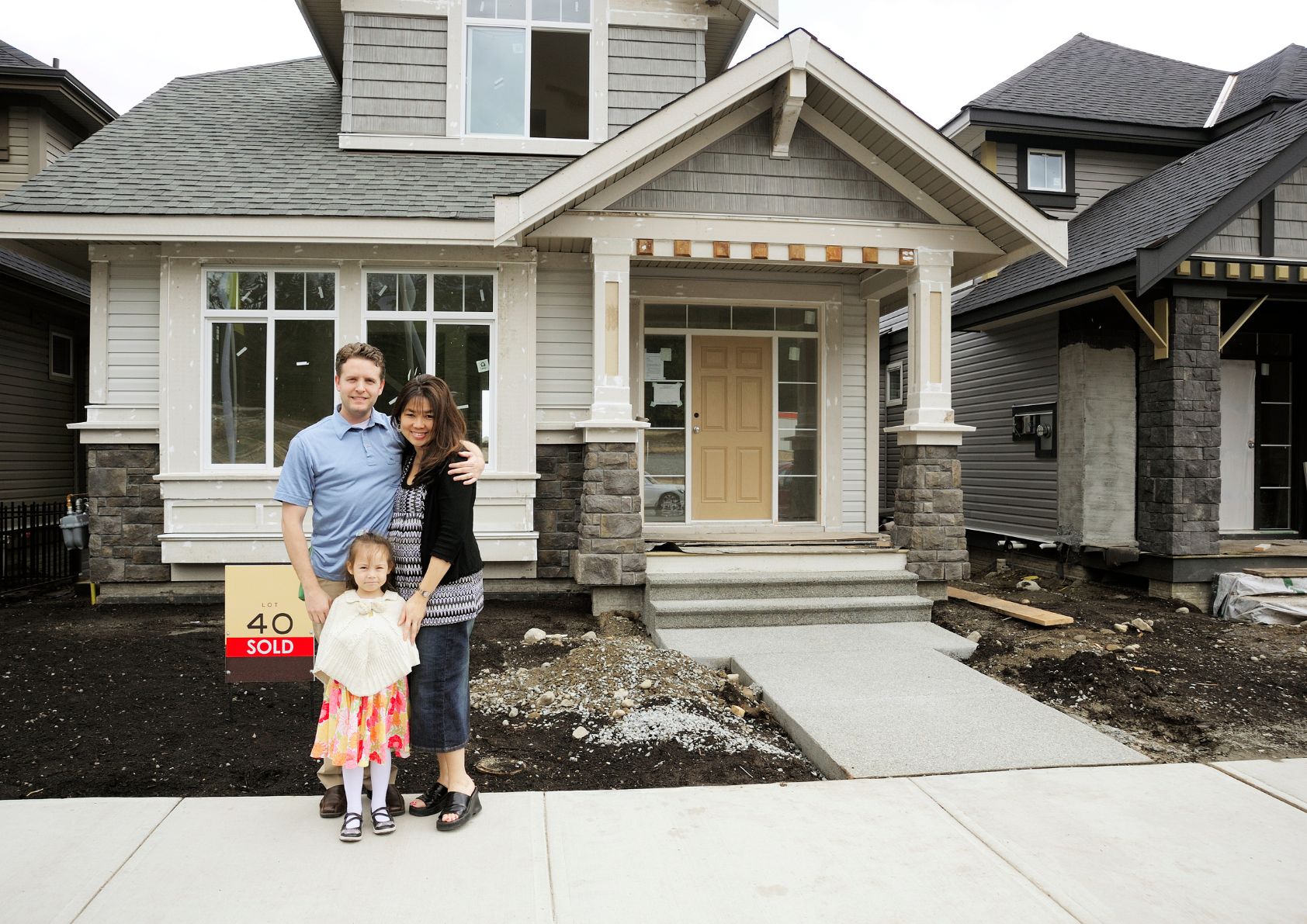
Harvard’s Joint Center for Housing Studies emphasizes that affordability pressures remain a defining issue. Stretched households become not just price-sensitive but also friction-sensitive, scrutinizing signs of deferred maintenance, awkward layouts, excessive personalization, or any detail suggesting post-closing work. (Harvard JCHS affordability coverage)
Therefore, sellers should shift their focus from maximizing price to minimizing buyer friction. Ask: “How easy have I made it for the right buyer to say yes?” This question prompts better decisions, stronger preparation, more accurate pricing, and a listing launch that capitalizes on momentum rather than wasting crucial early weeks. In the current San Diego real estate climate, this approach is paramount.
Successful sellers today aren’t relying on the hope that the market will overlook poor pricing, weak presentation, visible neglect, or an incompletely prepared home. They understand that buyers are active but cautious, requiring listings to compete for attention and confidence. They recognize the necessity for the home to feel worth the monthly payment buyers are considering. It’s about presenting the home as the easiest, clearest, and strongest option within its market segment, rather than chasing a fantasy number, relying on outdated assumptions, or expecting buyers to lower their standards.
Focus on Ease, Clarity, and Value

This strategic focus is what truly wins in today’s market. Ready to navigate these buyer dynamics and position your San Diego home for success? Contact us today for expert guidance.
Frequently Asked Questions About Selling in Today’s Market
-
Why is “buyer caution” the biggest obstacle for sellers right now?
-
Buyers today are more selective than ever. When mortgage rates and home prices are high, buyers are not just looking for a house—they are scrutinizing every detail for potential repairs, clutter, or signs of deferred maintenance because they want to avoid extra post-closing costs.
-
How do I compete if my home isn’t brand new or fully renovated?
-
You don’t need a massive renovation budget to compete. You need to minimize buyer friction. Focus on making your home feel clean, bright, and “easy” to own. Clear out clutter, address simple cosmetic issues like paint or lighting, and ensure the price accurately reflects the home’s condition.
-
Does overpricing my home really hurt my chances of a sale?
-
Yes. An overpriced home often squanders its critical early attention window. It trains buyers to wait for a price reduction, which then makes them wonder what is wrong with the property, turning their initial interest into skepticism and intense scrutiny.
Ready to Talk?
There’s no obligation and no pressure. Just a straightforward conversation about your property, your timeline, and what a smart move actually looks like for your situation — whether you’re selling, buying, or both.
Call or text: 858-518-2875 · Contact us here →
Brad and Karen Mattonen work with homeowners and buyers across San Diego County — from standard sales to probate, pre-foreclosure, senior transitions, first-time purchases, and everything in between. When the stakes are real, experience matters.
HomesInSDCounty | Coldwell Banker West · www.homesinsdcounty.com
What We Specialize In
🔹 Full-Service Experts in Estates, Probate, Pre-Foreclosure & Distressed Properties
🔹 Trusted Advisors in Luxury, Residential, Investment & Commercial Real Estate
🔹 Strategic Negotiators for Buyers & Sellers in California’s Competitive Market
Our Specialties: Probate & Inherited Sales · Pre-Foreclosure & Distressed · Senior Transitions & Prop 19 · Investment & Commercial · First-Time Buyers · Military & Relocation
Selling but need updates first? Ask about Coldwell Banker Compass Concierge (formerly RealVitalize) — repairs and improvements covered upfront, no out-of-pocket cost until closing.
Moving out of San Diego? We’re connected to a personally vetted network of agents nationwide through Coldwell Banker.
Download our free eBooks, checklists, and guides →
Follow Us: YouTube · Facebook · Instagram · LinkedIn · Pinterest · TikTok · X
#HomesInSDCounty


